 Animals of Shelters
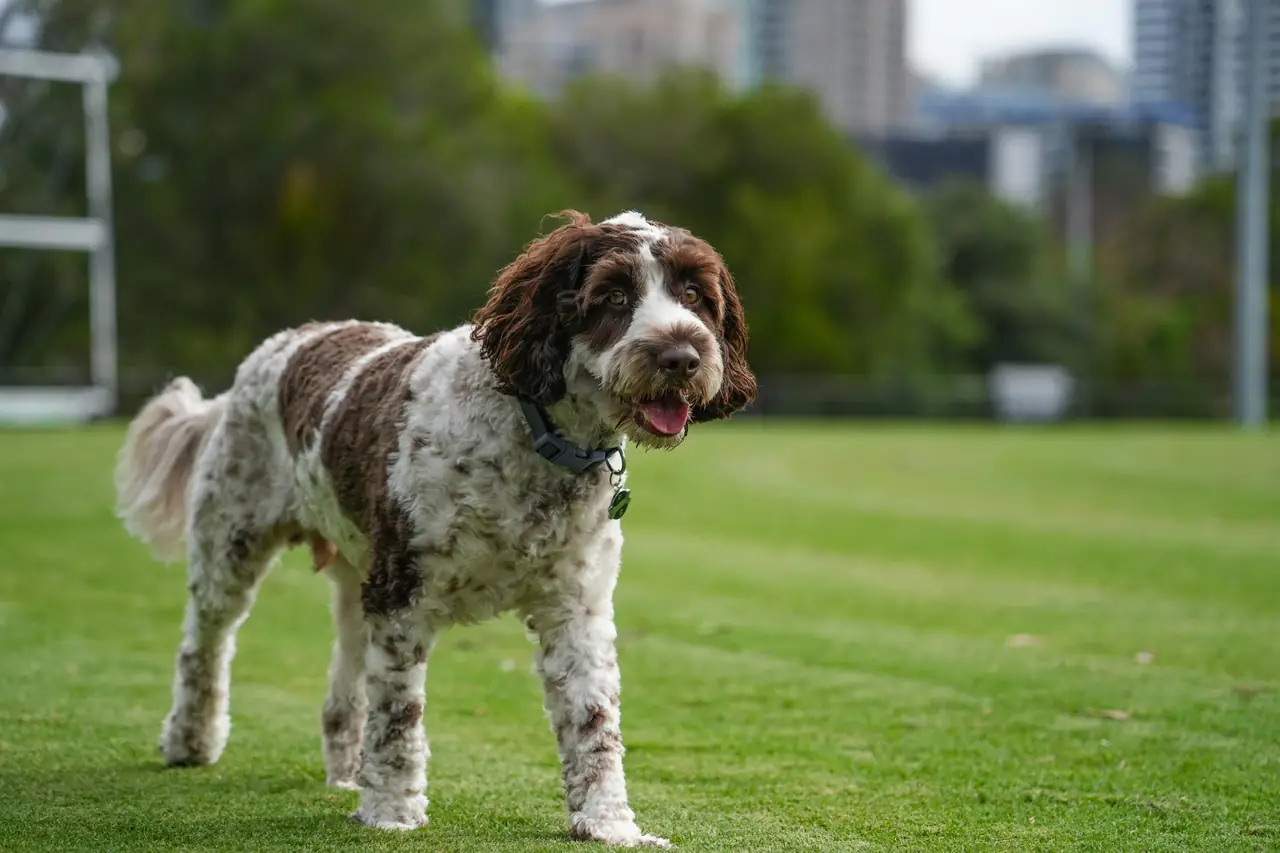
Adopting a dog
A dog shares your daily life very closely. Choosing well means matching its energy and character to your way of life, far more than its breed or appearance.
Energy before size
A small dog can be very active, and a big older dog very calm. Look at its age, and at what the shelter says about its character and needs.
Plan on several outings a day, including at least one proper walk where it can sniff and burn off energy.
Home alone
Many dogs cope badly with being left alone for long hours. If you work away from home, plan a solution: a dog walker, doggy daycare, a neighbour, working from home some days.
The "Can be left alone" filter helps you spot the dogs the shelter considers comfortable with it.
Training, with patience and rewards
An adult dog learns very well. Gentle, reward-based methods give the best results and strengthen your bond. A training class helps a great deal, even for a dog that already knows the basic commands.
Some shelter dogs have a difficult past: fears, sharp reactions, bad habits. The shelter will tell you what it knows, and a trainer can support you if needed.
Children and other animals
The listing says whether the dog gets on with children and other animals, when the shelter knows. Meeting the dog before adopting remains the best way to check.
Health and local rules
Plan a visit to the vet in the first few weeks, then booster vaccinations and parasite treatments.
Depending on the country or the town, rules apply to dogs: identification, registration, insurance, a lead in certain places. Ask your local council.